Manali Font: A Handwritten Typeface for Authentic Web Design
In the world of digital design, choosing the right typeface can make or break a user’s first impression. That’s where Manali Font steps in — a handwritten script that brings warmth, authenticity, and character to your web projects. Whether you're crafting a landing page, building an online store, or designing a creative portfolio, Manali offers a unique blend of style and functionality that stands out in today's modern typography landscape.
Understanding Manali’s Visual Personality
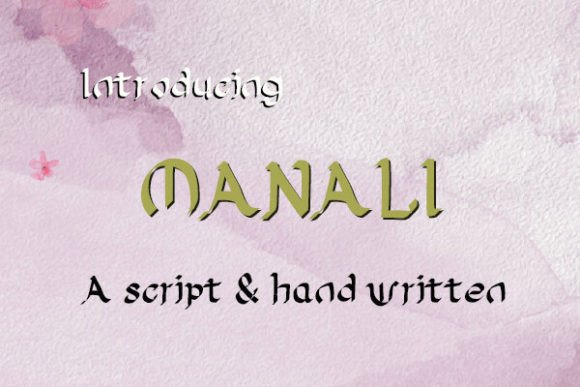
Manali is a handwritten font, but not just any handwriting. It has been carefully crafted to mimic natural calligraphy while maintaining enough consistency to be used effectively in digital environments. The strokes are fluid yet structured, with subtle variations that give it a personal touch without sacrificing legibility. This makes it ideal for content that needs to feel human, such as chalkboard quotes, teaching materials, and brand-focused messaging.
The personality of Manali is both approachable and artistic. It conveys a sense of creativity and thoughtfulness, which is perfect for brands looking to establish a connection with their audience through more expressive typography. Unlike overly stylized scripts that can become hard to read, Manali retains clarity, making it versatile across different use cases.
Where to Use Manali in Web Design
Manali shines brightest when used as a display font. Here are some practical applications:
- Hero sections: Its elegant curves and soft edges help create a welcoming entrance to your site.
- Landing page headlines: For a more creative or artisanal vibe, using Manali in key headings adds a layer of sophistication.
- Call-to-action areas: When paired correctly, it can guide attention and encourage clicks with visual interest.
- Online shop banners: Use it for seasonal promotions or curated collections to evoke a handcrafted feel.
- Blog headers and course pages: Ideal for titles that want to stand out while maintaining readability.
It’s also great for decorative accents like section dividers, testimonials, or motivational quotes within content blocks. However, avoid using it for body text due to its organic nature, which isn’t optimized for long-form reading.
Impact on Readability and Visual Hierarchy
Readability might seem at odds with a handwritten font, but Manali strikes a balance between artistry and usability. Because it avoids extreme stylization, it’s easier to scan than many other script fonts. Still, it’s best suited for short phrases and prominent visual elements rather than dense paragraphs.
When it comes to visual hierarchy, Manali helps you prioritize information by drawing the eye to important elements. Its irregular flow and expressive forms naturally emphasize the text they’re applied to, making it excellent for creating focal points in layouts. You’ll find it particularly effective in contrast with clean sans serif or serif body fonts, allowing the hierarchy to breathe and guiding users intuitively through the page.
Enhancing Brand Tone and Trust
Fonts play a critical role in shaping brand tone. Manali, with its authentic and warm aesthetic, supports brands that want to communicate creativity, education, lifestyle, or boutique-style services. It works well for businesses like coaching studios, handmade product shops, and educational platforms where a personal touch matters.
While some may assume that handwritten fonts look less professional, when used judiciously, Manali can enhance brand trust. Its realistic appearance suggests a human behind the brand — someone thoughtful and intentional about their craft. This is especially powerful in niches like wellness, creative arts, and community-driven ventures.
Font Pairing Strategies for Web Projects
One of the keys to successful typography is knowing how to pair fonts effectively. With Manali as a primary display font, consider these combinations:
- Sans serif body fonts: Clean, neutral fonts like Helvetica Neue or Montserrat complement Manali’s softness and keep the layout modern.
- Minimalist serif options: For editorial or luxury branding, pairing Manali with a refined serif like Lora or Merriweather can add depth and contrast.
- Monospaced code fonts: In tech-related designs or SaaS landing pages, Manali can work alongside monospaced fonts like Fira Code or Source Code Pro to create a balanced yet dynamic look.
Always ensure that your secondary fonts have high legibility, especially for smaller sizes and mobile screens. Think of Manali as the emotional hook and let your supporting typefaces handle the functional details.
Responsive Typography and Mobile Optimization
With mobile-first design being standard practice, it’s crucial to test Manali in various contexts. On small screens, reduce the stroke contrast and increase the spacing slightly to maintain clarity. Avoid using it in tiny buttons unless the context is highly decorative (e.g., a “View Project” button in a portfolio).
For image overlays and dark backgrounds, opt for lighter weights or apply a subtle stroke effect via CSS to prevent the text from blending into the background. Lighter versions of Manali work well in minimalist, high-contrast scenarios, while bolder weights suit hero sections and logo text.
Use Cases Across Different Industries
Here are a few real-world examples of how Manali could fit into your next project:
- Creative portfolio site: Use Manali in the header and subheadings to showcase a designer’s unique flair.
- Boutique online store: Apply it to product highlights or promotional banners to reflect craftsmanship and care.
- Coaching or education website: Feature it in welcome messages or featured course titles to reinforce a personalized learning experience.
- Product landing page: Highlight key benefits or USPs with Manali to add a touch of elegance and distinction.
- Digital brand kit: Incorporate it into social media graphics or email templates to maintain a consistent and memorable identity.
Each of these scenarios benefits from the font’s ability to convey intentionality and authenticity — two qualities that resonate deeply with today’s audiences.
Webfont Availability and Technical Considerations
Manali is available through Script Amp in multiple file formats suitable for web use, including WOFF and TTF. These formats ensure compatibility across browsers and devices. If you plan to use it on client websites or in commercial projects, always verify the license terms to confirm whether it allows for web embedding and redistribution.
Many premium fonts include alternates and ligatures to enhance stylistic flexibility. If Manali offers those features, take advantage of them in hero sections or logos to add subtle variation and richness. However, be cautious with overusing ligatures in responsive environments, as they can sometimes cause rendering issues on certain devices.
Multilingual Support and Global Appeal
If your design targets international audiences, check if Manali includes support for Latin-based languages and special characters. Many handwritten fonts struggle with multilingual coverage, but if this one does offer extended language support, it becomes even more valuable for global projects or inclusive brand identities.
Commercial Licensing and Legal Clarity
As a professional designer, it’s essential to understand licensing before implementing any font in your work. Manali, like most fonts from Script Amp, likely requires a commercial license for use on websites, in online stores, or within digital templates sold to clients. Always review the font provider’s licensing agreement to ensure compliance, especially when working with clients or scaling your own digital products.
Conclusion
Manali is more than just a pretty font — it’s a tool that can elevate the emotional resonance of your digital projects. From headers to banners, it brings a level of charm and realism that sets your work apart. Just remember to use it wisely, pair it thoughtfully, and optimize it for different screen sizes and design systems. Whether you're working on a SaaS site, a blog, or a branded app, Manali can help you build a more engaging and visually cohesive experience.